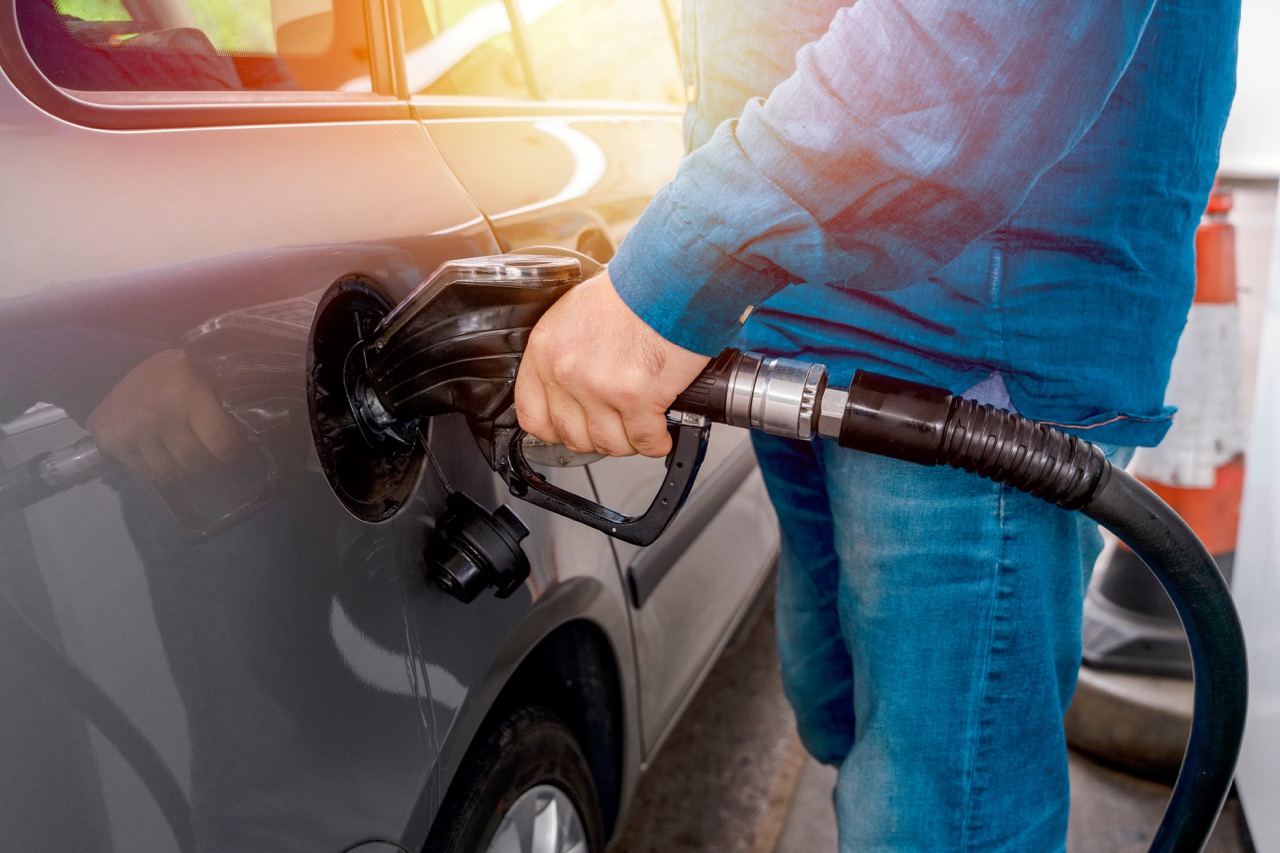
Choosing the right fuel is essential to maximise your car’s performance, fuel economy and engine lifespan. With several options available – from standard unleaded and premium blends to diesel, ethanol, and electricity – refer to your vehicle’s manual to find the exact manufacturer requirements for your specific make and model.
Here is a breakdown of the most common types of car fuel:
1. Unleaded Petrol (ULP)
Unleaded petrol is the most common fuel used for passenger vehicles, with the number representing the Research Octane Number (RON) or how well the fuel resists knocking or premature ignition.
Regular Unleaded (91): The most widely available standard fuel, designed for most non-performance and older vehicles.
Premium Unleaded (95 & 98): These high-octane fuels are formulated for high-compression, turbocharged and high-performance engines. They deliver smoother operation and optimal power in vehicles that require them.
2. Ethanol Blends (E10 & E85)
These are renewable, ethanol-based fuels mixed with standard unleaded petrol.
E10: A blend of 90% unleaded petrol (usually 91 RON) and 10% ethanol. It’s generally cheaper at the bowser but offers a slightly lower energy density, which can result in minor reductions in fuel economy. Always ensure your car is E10-compatible before filling up.
E85: A high-level ethanol blend used mainly for professional motorsport or specially modified ‘flex-fuel’ vehicles.
3. Diesel
Diesel engines use compression rather than spark plugs to ignite the fuel-air mixture, and are known for high energy density and exceptional fuel economy – especially over long distances or when towing. This makes diesel the go-to fuel for utes, heavy-duty work vehicles and many modern SUVs.
🚀 For many vehicles, using higher octane fuel may improve performance and mileage and even reduce CO2 emissions when the vehicle is working hard, such as when towing a trailer or carrying heavier than normal cargo, especially in hotter weather. But under normal driving conditions, you’ll probably notice little to no benefit if your car isn’t designed to use premium fuel.
✅ Each vehicle model has a recommended minimum octane requirement – often printed somewhere near the fuel filler cap – and owners should not fill up with a fuel grade lower than this, but a higher grade may offer the above-mentioned advantages.
🧐 The most reliable way to find out if you could be going further on a tank by filling up with 98 or higher is to conduct your own real-world test.